Services

Residential Home Inspections

Buying a new home is often one of the biggest purchases that a person will commit in their life. For the previous reason, it is in your best interest to do as much research as you can before you say “I do.” Getting a residential home inspection report is usually the first step towards understanding the deficiencies associated with the home in question as well as getting recommendations for repair.

Our home inspection reports will provide you with details regarding the condition of the home, inform you of maintenance concerns, and any other potentially costly issues.

The home inspector will assess the physical structure of the home, from the foundation to the roof and the home's electrical, plumbing, and HVAC systems. Our reports also contain a summary page of our findings for your convenience.

If you are present at the end of the inspection the inspector will do a personalized walkthrough of the house, point out major deficiencies and give you an opportunity to ask questions. If you cannot be present we will make arrangements with you to discuss the report and any other inquiries you may have via phone or virtual call.
  • Thermal imagining to detect plumbing leaks, moisture, or active roof leaks.
  • Drone usage when the roof cannot be safely walked on.
  • Outdoor kitchens and sprinkler system inspection included.
  • Crawlspace Inspections added automatically for pier and beam foundations. (Learn More)
  • Multi-Unit inspections such as duplexes, fourplexes, and condominiums.
  • Also includes 11-month Warranty Inspections, New Construction, and Pre-listing Inspections.
  • Roofing System (including gutters & downspouts)
  • Foundation & Crawl Spaces
  • Structural Components
  • Exterior Features (doors, windows, siding)
  • Driveways & Walkways
  • Deck & Balcony
  • Garage
  • Grading & Drainage
  • Interior Features (doors, windows, floors, walls, ceilings, stairs)
  • Attic, Insulation, & Ventilation
  • Electrical System
  • Heating & Cooling Systems
  • Plumbing System
  • Built-in Appliances
  • Sprinkler System
Residential Home inspections
stucco_inspector_transparent

Stucco Inspections

Discover how our certified Stucco Inspections can help you detect hidden moisture and structural issues before it’s too late.
Why inspect stucco?
Although stucco is a nice decorative surface choice for most homeowners, a large quantity of stucco applications completed in the past two decades are improperly installed or not maintained by owners. Improperly sealed or installed stucco can eventually cause leaks, mold, and various forms of structural damage to the house.
What’s included in a stucco inspection?
If you have any concerns over your stucco, ask us for a visual inspection. Once the stucco has been inspected, we will notify you if a stucco-intrusive inspection is recommended. This helps determine whether hidden moisture issues exist inside walls, soffits, windows, or balconies.

This type of inspection can potentially save you thousands of dollars—especially when completed before the end of your option period.
How it's done
A Stucco Inspection is typically divided into two parts:

Part I – Visual Inspection: The inspector performs a full visual assessment to detect signs of damage, staining, or poor installation.

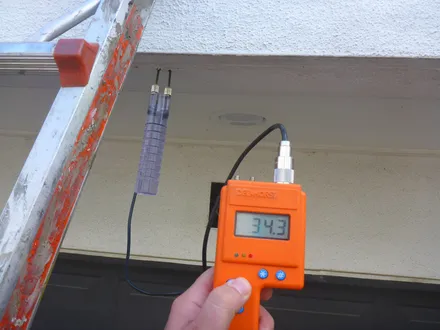
Part II – Intrusive Testing: If needed, the inspector drills two ¼-inch holes side-by-side into the stucco at high-risk locations. A moisture probe is inserted to check the condition of the substrate (firm or soft), and measure moisture levels using a Delmhorst BD 2100 Moisture Meter.
new_construction_no_bg

New Construction Inspections

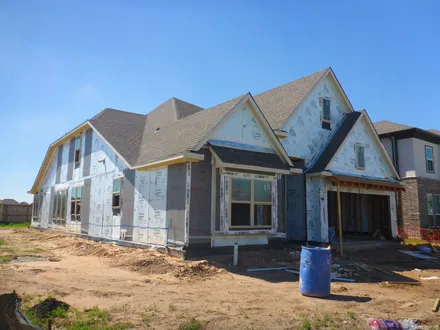
Also known as "Phase Inspections," this service ensures every step of your home's construction meets the highest standards. Whether you need one or all three phases, we’ve got you covered.

1. Pre-Pour Inspection

This allows the inspector to see the overall condition of the foundation and identify any deficiencies before the concrete slab is poured.

2. Pre-Drywall Inspection

This phase focuses on inspecting the home's framing, as well as verifying that plumbing, electrical, and HVAC systems are properly installed before the drywall goes up.

3. Final Inspection

Conducted after appliances are in place, this final check confirms that the property is ready and meets all required standards before move-in.
Builder’s Warranty Inspections

Also known as 11-Month Warranty Inspections, this service ensures that you can fully benefit from the warranty your builder offers within the first year of homeownership.

  • Most new homes include a 1-year builder warranty
  • This inspection identifies issues before the warranty expires
  • Builders are typically required to address deficiencies listed in the report
  • Same items covered as a standard residential inspection

Pre-Listing Inspections

In the real estate market, preparation is key, and that's where Bianchi Home Inspections comes in. Before potential buyers bring in their inspectors, it's wise to be one step ahead. Our Pre-Listing Home Inspection offers a multitude of advantages, ensuring you're fully prepared for the sales process. Here's how it benefits you:

View your property through the lens of our experienced, impartial inspectors. This perspective is invaluable in understanding how your home will be perceived in the market.
We identify immediate safety concerns before your home is shown, ensuring a safe environment for potential buyers and real estate agents.
Our inspection can reveal critical issues, such as water penetration or termite activity, allowing for prompt action.
Addressing repair needs beforehand means fewer obstacles during negotiation. This proactive approach can streamline the sale process.
Knowing what needs fixing in advance gives you the opportunity to seek out the best contractors or even handle some repairs yourself, if you're equipped to do so.
Our inspection informs you about the true condition of your home, aiding in setting a fair and realistic price.
A pre-inspected home can ease potential buyers' worries, making your property more appealing and trustworthy.
Buyers may be more inclined to forgo their own inspection, expediting the sale process.
Supplement your disclosure statement with our professional report, diminishing the risk of post-sale disputes.

Pool Inspections

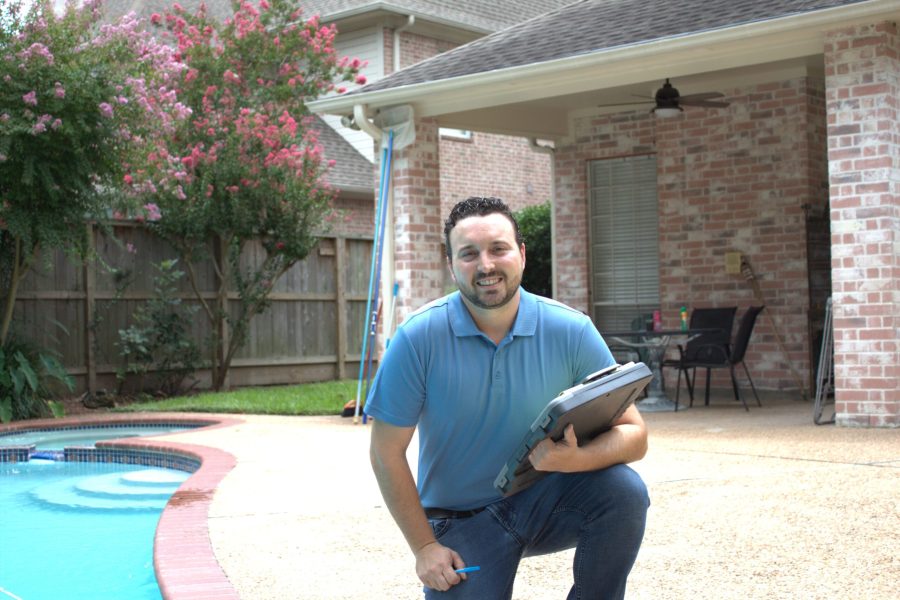
When buying a house with a pool, you definitely want to get a pool inspection. Just like the rest of the components of the house, you want to be sure the pool and its mechanical components are in good working condition.

  • Pool safety features
  • Pool lighting
  • Structural integrity
  • Mechanical equipment (filters, heaters and pumps)
  • Materials such as tile and decking around the pool

You are provided a detailed report indicating the status of your pool and offered recommendations regarding areas of concern that may need to be addressed. Even when you think the pool is in great condition, a pool inspection can save you thousands of dollars by capturing the areas of your pool that may not be up to code or working properly.

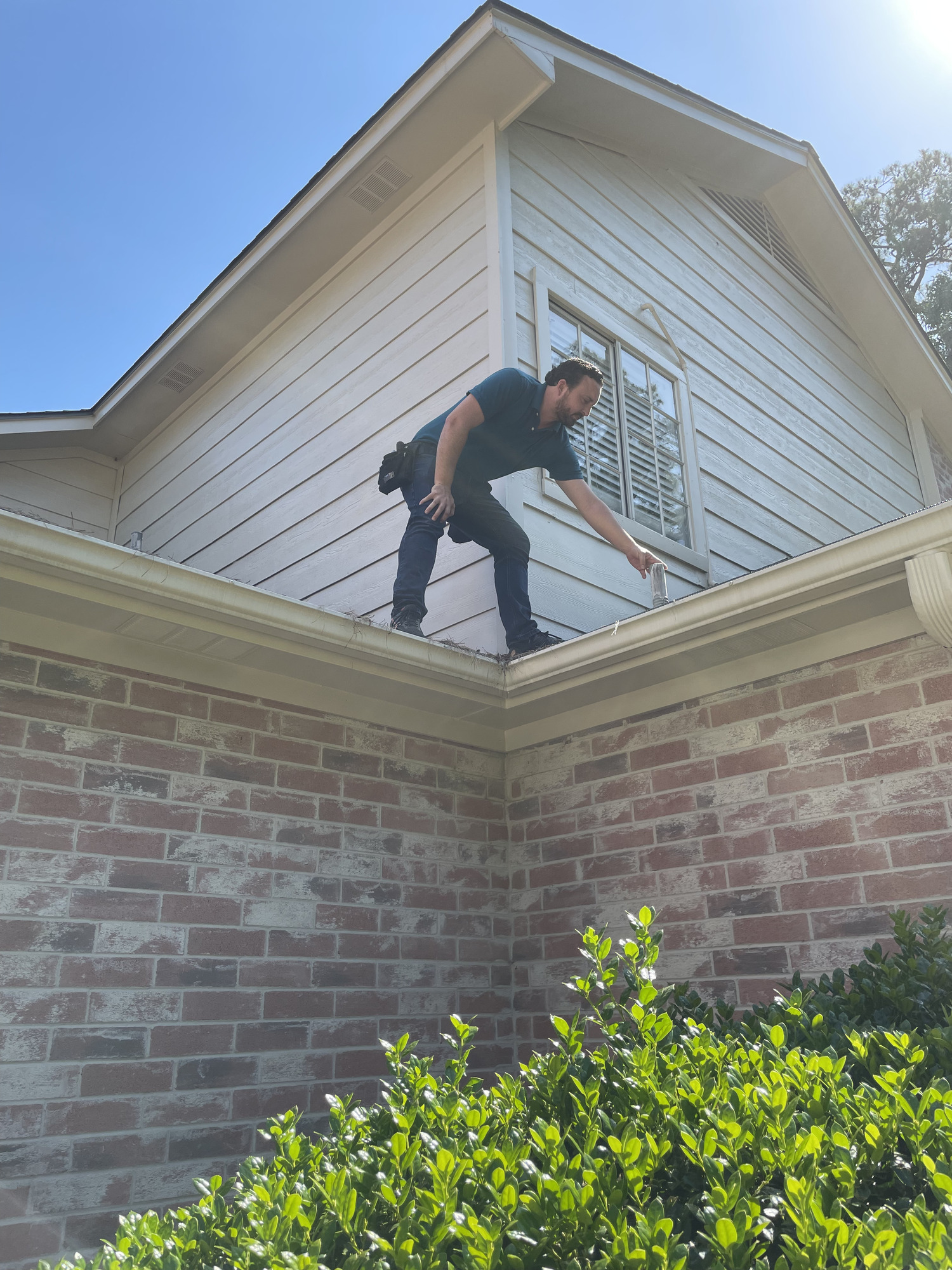
Roof & Storm Damage Inspections

We all need a roof over our heads. Over time, roofs start to deteriorate, and you may find yourself spending thousands of dollars trying to fix issues or having to replace your entire roof.

A roof inspection helps you identify the areas of your roof that may be improperly installed and may lead to leaks from rainwater. Other factors affecting your roof are inclement weather and major storms, which can cause significant damage. This inspection is generally done after heavy rains and storms.
Included in the Roof Inspection:

  • Inspection of the roof decking from the attic
  • Thermal imaging scan from the interior of the house
  • Walking the roof surface to identify deficiencies
  • Drone usage with high-resolution imagery when access is limited

Crawlspace Inspections

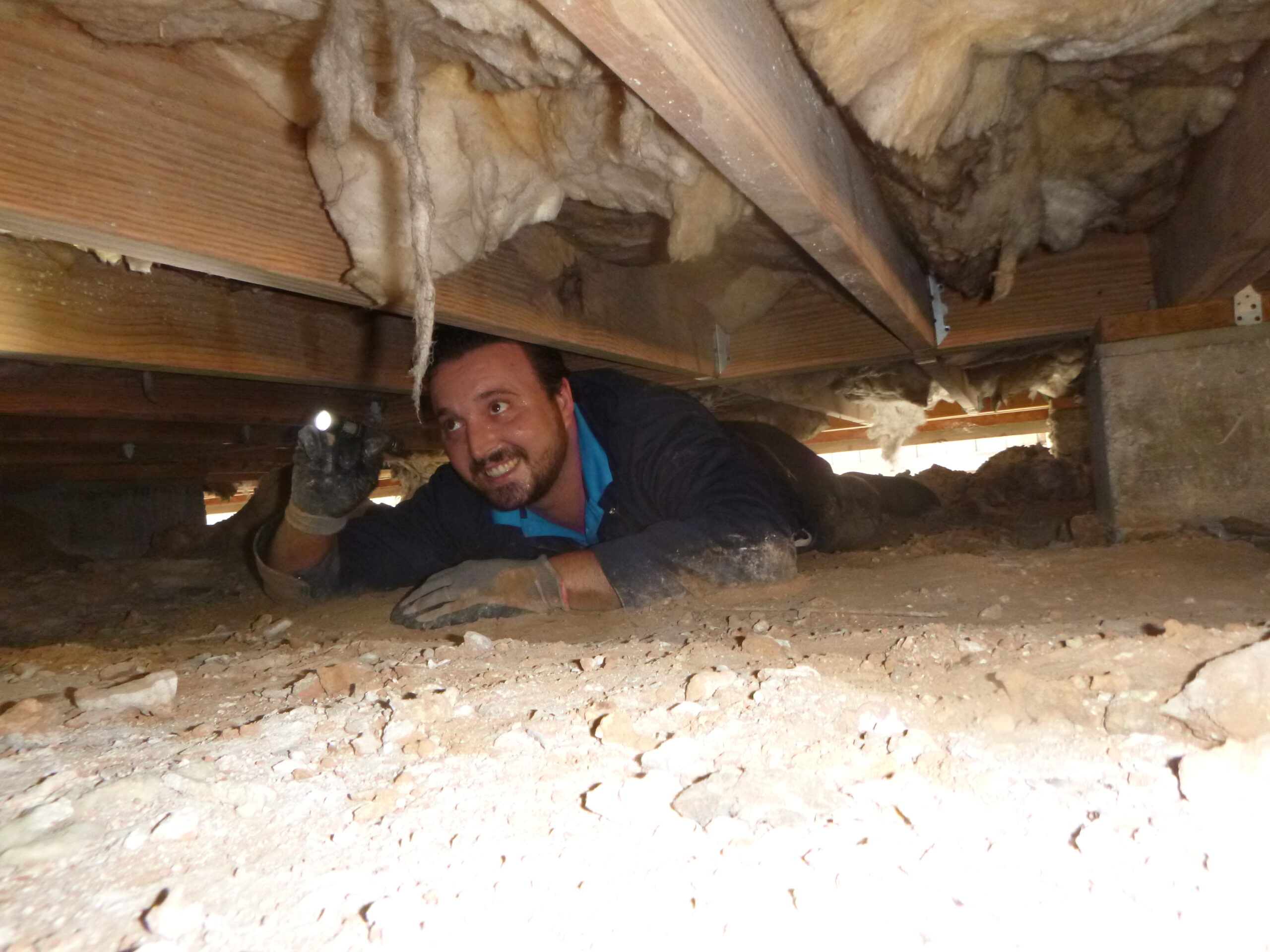
This type of inspection is provided as a standalone service or automatically included in the price of residential home inspections with a pier and beam foundation.

Since this type of foundation will have a space under the house, we will crawl under the house to look for signs of moisture and/or standing water below the house, assess the condition of the subfloor and look for any plumbing leaks. Other elements of this inspection include indications of wood deterioration and wood destroying insect damage as well as pier stability.
Infrared/Thermal Imaging Inspections for Moisture Intrusion

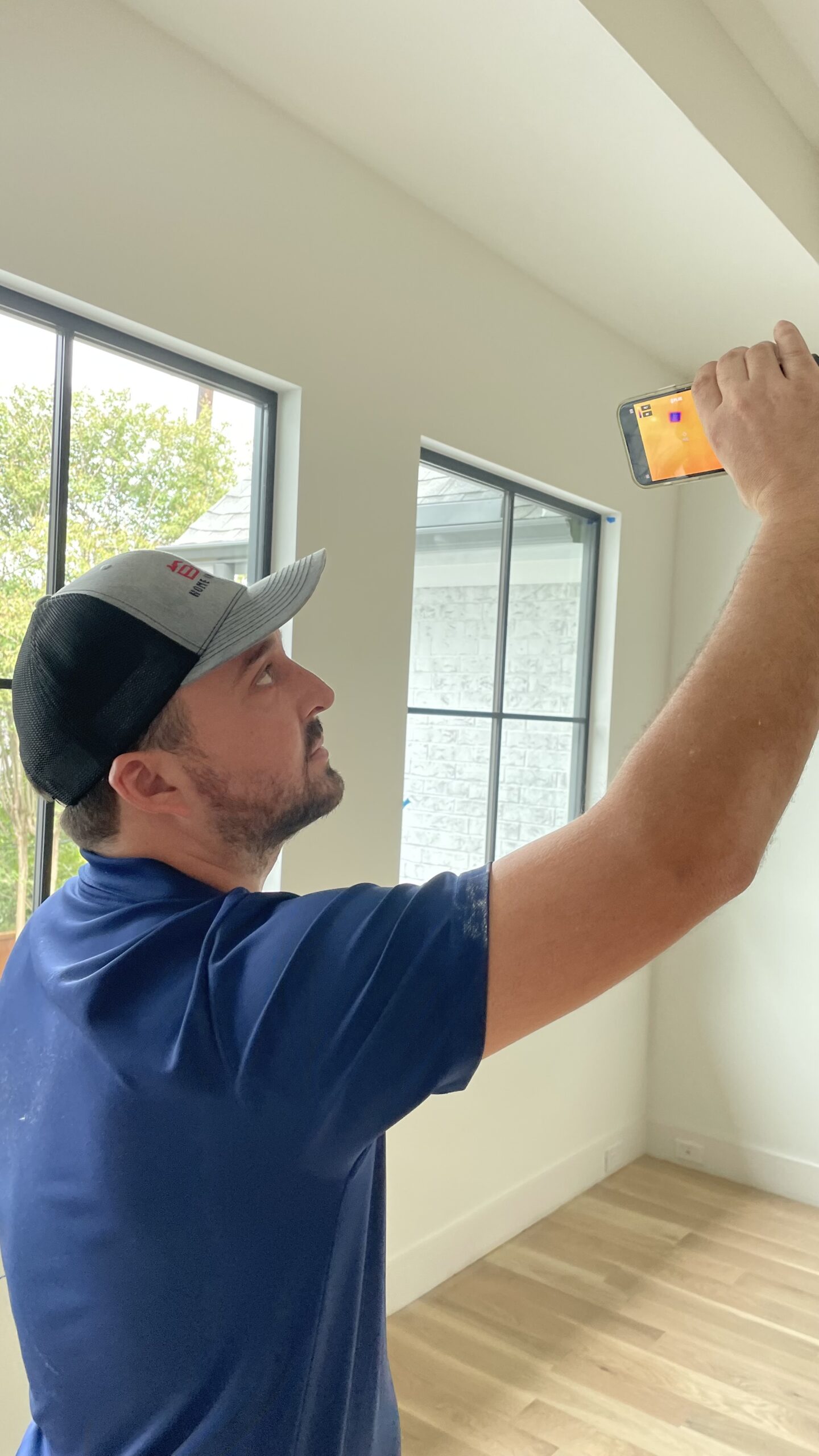
There are several areas where moisture can accumulate that are not visible to the naked eye, especially after heavy rains. The thermal imaging of the house is included in all inspections and allows the inspector to read the temperature differences between areas on walls and ceiling to determine if there is an active leak. Thermal imaging is mostly used to locate plumbing and roof leaks.

Elevation survey inspection for foundation performance

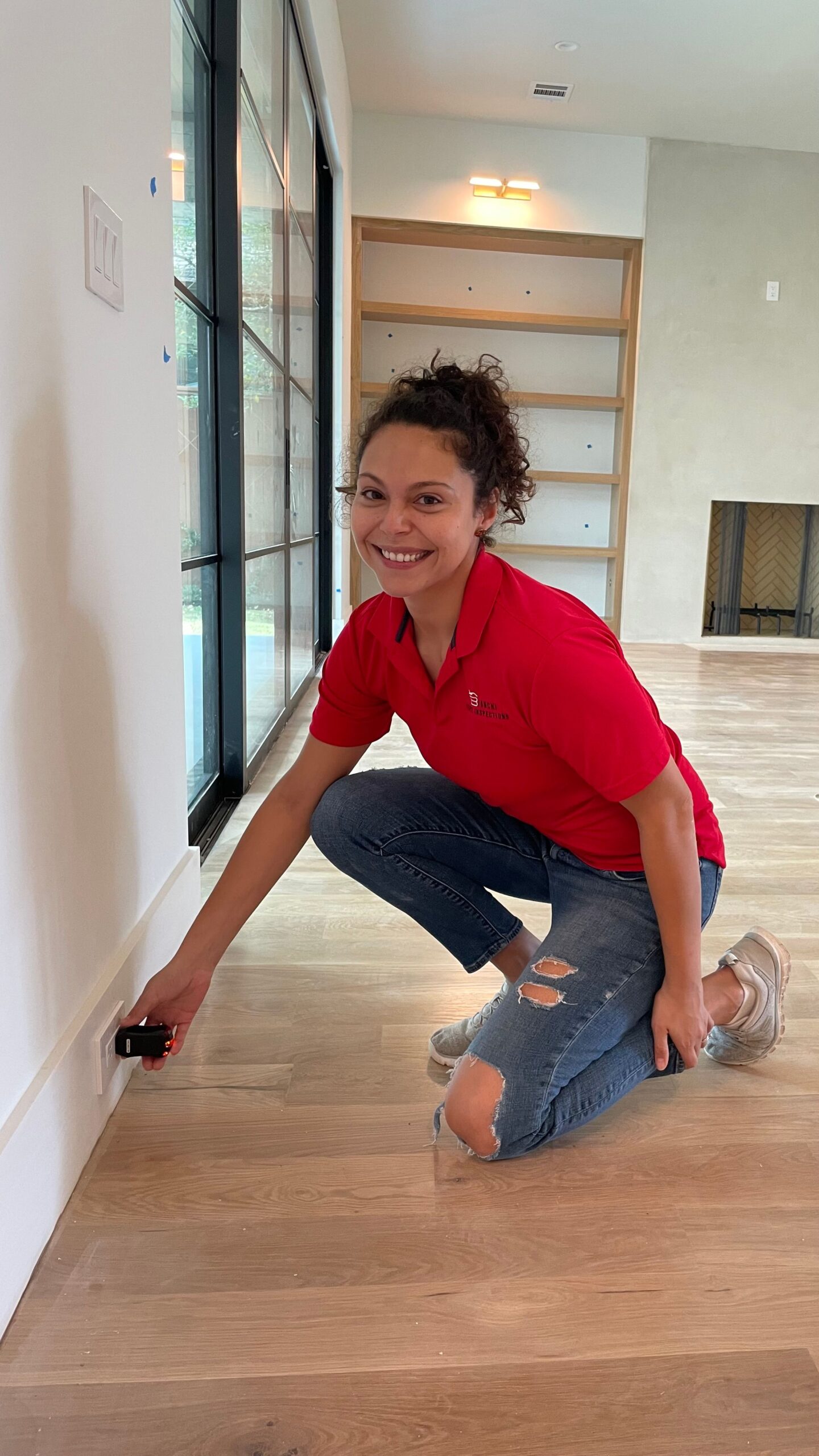
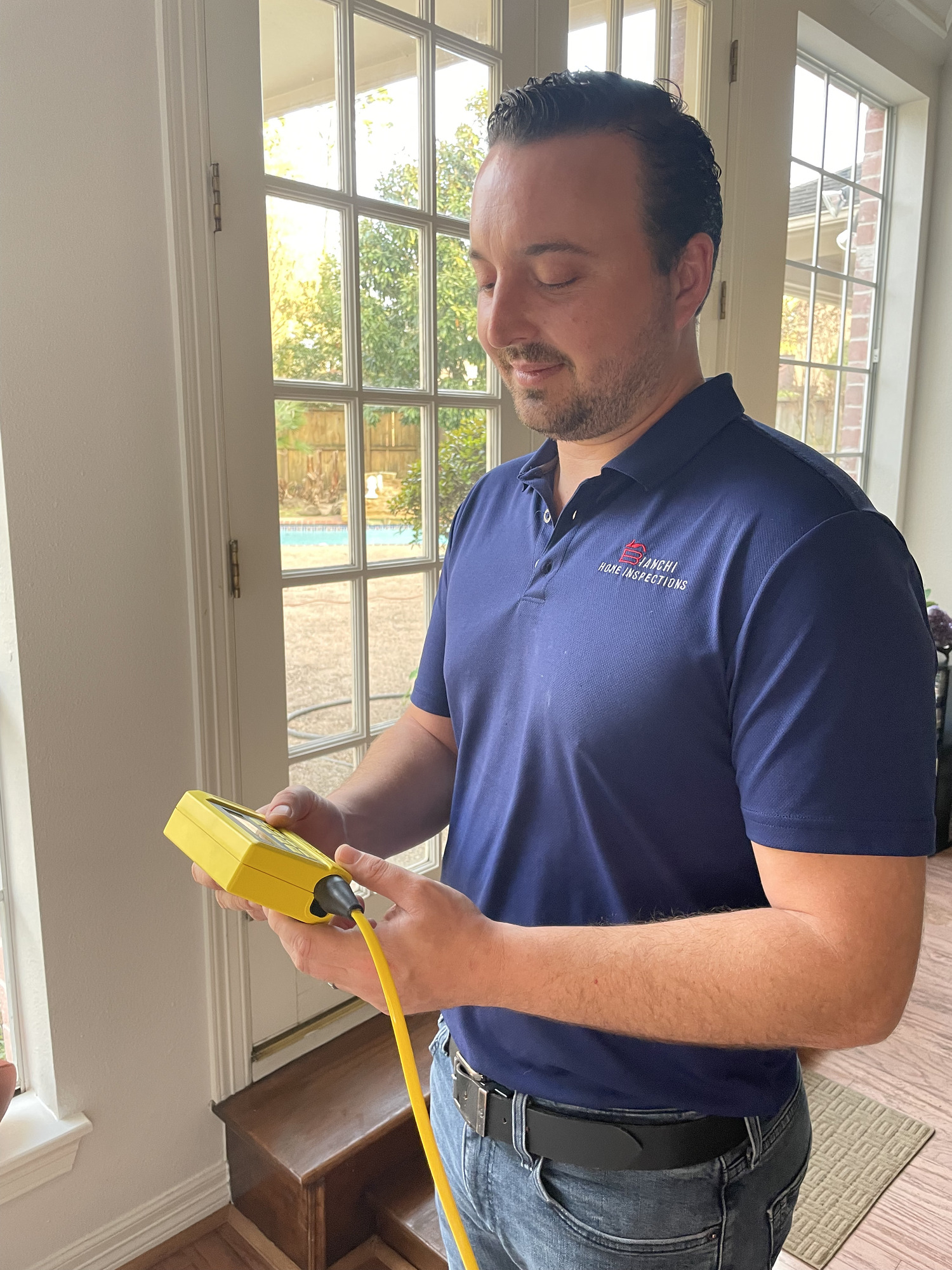
The purpose of an elevation survey is to determine the performance of the home foundations by measuring the variance of slope in the floors between the different rooms in the house using a Zip Level 2000.

This service can be added to a residential home inspection for an additional cost or we can provide a stand alone service if you have concerns about the performance of your foundation being unleveled or shifting foundations.
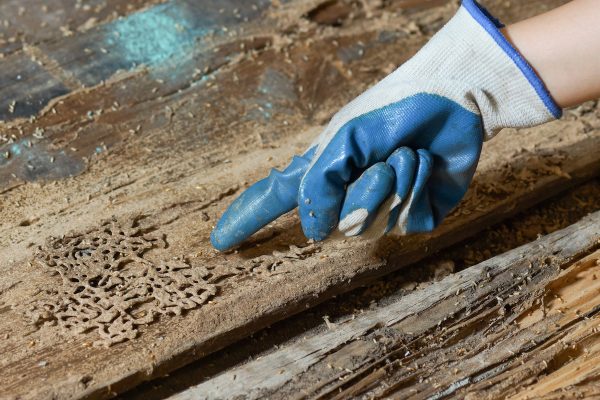
Hand pointing at termites destroying wood from the ground - problem in house concept

Termite Inspections

A termite inspection is a crucial step that should not be overlooked. Termites are known as "silent destroyers" for good reason; their presence often goes undetected until significant damage has been done, which can lead to unexpected and costly repairs.
A professional termite inspection can uncover hidden issues and provide an assessment of any past or current activity, ensuring you are fully aware of the condition of the property.

By identifying these problems before finalizing your purchase, you can negotiate repairs or a fair purchase price, saving you from future financial burdens associated with termite damage.

This service can be added to a residential home inspection for an additional cost or we can provide a stand-alone service if you have concerns about the performance of your foundation being unleveled or shifting.
Investing in a termite inspection gives you a clearer picture of the ongoing maintenance the property will require.

In regions like Houston where termite infestations are more common, understanding the susceptibility of your potential home to these pests is critical.

The inspection process can also educate you on preventive measures to protect your investment, such as moisture control, regular follow ups, and points of entry that need to be sealed.

Being informed about the termite risk and condition of the home empowers you as a buyer and enables you to make a confident, informed decision on your prospective investment.
Pest Inspection Network, Inc
TPCL #783068
P.O. Box 700906, San Antonio, TX, 78270

Irrigation System Inspection

Included with Home Inspection +

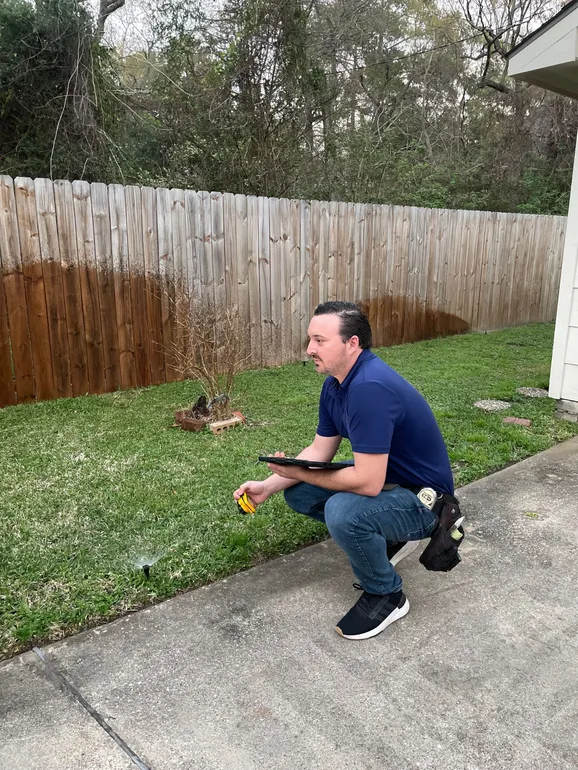
Included with the purchase of a home inspection is an irrigation system check. We will verify that the sprinkler system functions properly including all its components.

  • The absence of sensors including a rain or moisture meter
  • Inoperative zone valves
  • Surface water leaks
  • Deficiencies in the performance and mounting of the controller
What We Inspect +
  • Performance and mounting of the controller
  • Condition of backflow prevention device
  • Presence of shutoff valves between water meter and backflow device
  • Missing or damaged components
  • Rotator heads, sprayer heads, and/or pop up heads are working properly
  • Proper yard coverage
  • Underground water leaks
Standalone Option +

This type of inspection can also be offered as a standalone service. We recommend you check your sprinkler system at least once a year or as soon as you notice something is not working properly.